컨베이어 벨트 구매 가이드: 고려해야 할 주요 요소
News Details
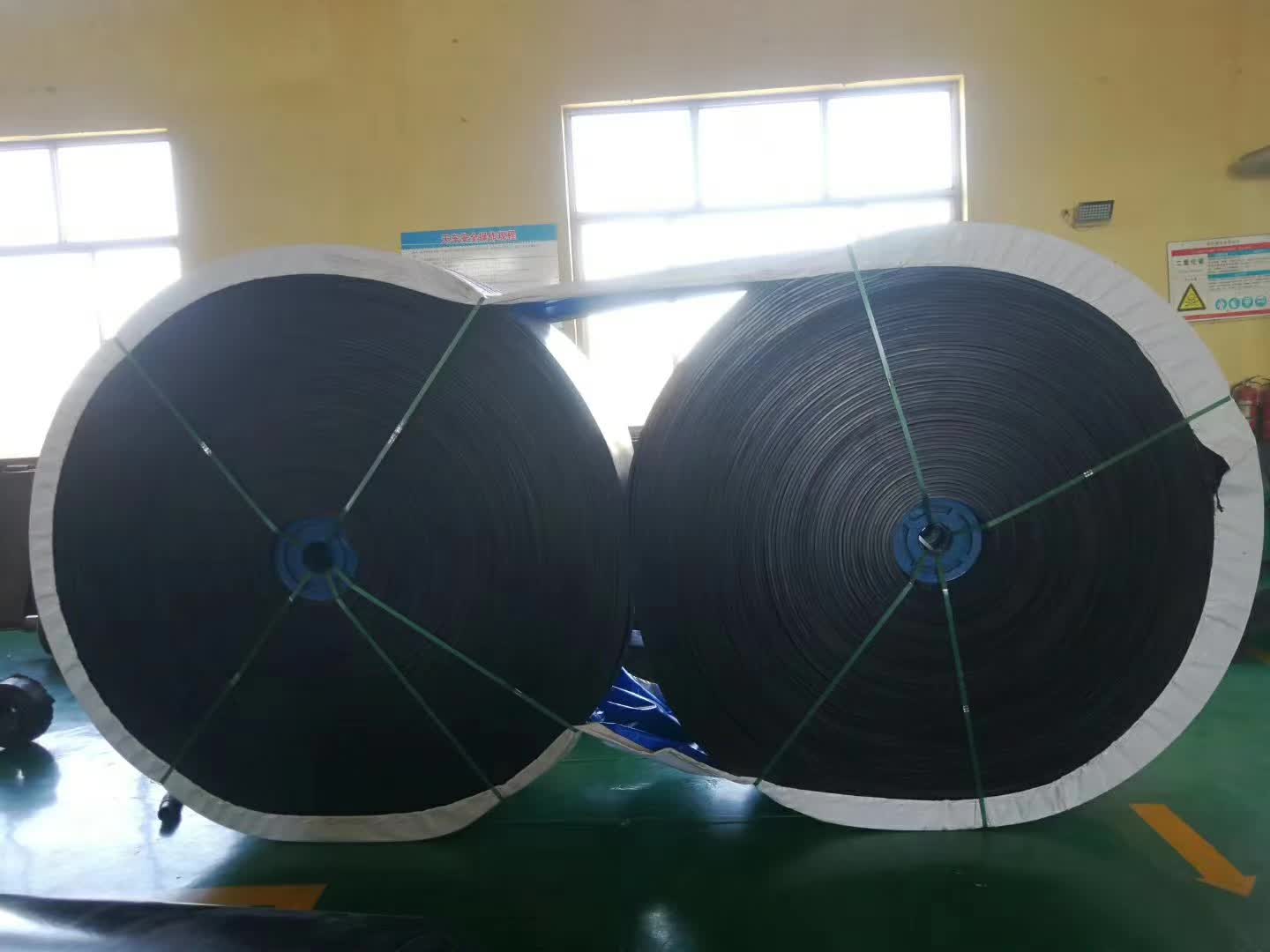
적절한 컨베이어 벨트를 선택하는 것은 공장 효율성, 제품 안전성 및 장기 비용에 매우 중요합니다. 그러나 많은 구매자들은 가격에만 집중하고 다른 중요한 세부 사항을 무시합니다. 그 결과 나중에 벨트 손상, 가동 중단 또는 높은 유지 보수 비용에 직면할 수 있습니다.
那么,如何为您的企业选择最佳的传送带呢?在本传送带购买指南中,您将了解购买前应考虑的关键因素。
Why Choosing the Right Conveyor Belt Matters
컨베이어 벨트는 물류 처리 시스템의 가장 중요한 부품 중 하나입니다. 광업, 식품 가공, 물류, 농업, 포장 및 제조와 같은 산업에서 제품을 빠르고 안전하게 이동시키는 데 도움이 됩니다.
When you choose the right conveyor belt, you can:
- Improve production efficiency
- Reduce machine downtime
- Lower maintenance costs
- Increase workplace safety
- Extend equipment life
另一方面,错误的传送带会导致频繁的故障和生产延误。因此,仔细选择是必要的。
Conveyor Belt Material: Choose the Right Type
首先要考虑的是传送带材料。不同的材料在不同的环境中效果更好。
Rubber Conveyor Belt
고무 컨베이어 벨트는 강하고 내구성이 좋습니다. 중량물과 거친 재료를 다룰 수 있기 때문에 광업, 건축 및 중공업에서 널리 사용됩니다.
Benefits include:
- High wear resistance
- Good impact resistance
- Long service life
PVC Conveyor Belt
PVC 컨베이어 벨트는 더 가볍고 깨끗합니다. 식품 가공, 물류 및 포장 산업에서 일반적으로 사용됩니다.
Main advantages:
- Smooth surface
- Easy cleaning
- Good oil resistance
PU Conveyor Belt
PU 컨베이어 벨트는 식품 및 제약 산업에서 인기가 있습니다. 높은 위생 기준을 충족하며 우수한 유연성을 제공합니다.
Key benefits:
- Food-grade safety
- Good chemical resistance
- Better flexibility
Therefore, before buying, always match the belt material with your industry needs.
Load Capacity and Conveyor Belt Strength
Another important factor is load capacity. Every conveyor belt has a maximum load it can carry.
If the belt is too weak, it may stretch, crack, or break. Therefore, you should carefully check:
- Product weight
- Material size
- Conveyor speed
- Daily working hours
For heavy-duty industries, stronger belts with reinforced fabric or steel cords are usually better.
In contrast, light-duty operations may only need standard belts.
Conveyor Belt Width and Length
The correct conveyor belt size is also very important.
A belt that is too narrow may cause products to fall. Meanwhile, a belt that is too wide may waste energy and space.
When selecting the belt size, consider:
- Product dimensions
- Conveyor frame size
- Material flow rate
- Factory layout
In addition, always measure the conveyor system carefully before ordering.
Operating Environment and Temperature Resistance
The working environment can greatly affect conveyor belt performance.
For example, some factories operate in:
- High temperatures
- Cold storage areas
- Wet conditions
- Dusty environments
- Chemical processing plants
Because of this, you should choose a conveyor belt with suitable resistance features.
Heat Resistant Conveyor Belt
Heat resistant belts work well in cement plants, steel factories, and foundries.
Cold Resistant Conveyor Belt
Cold resistant belts are ideal for frozen food and outdoor winter operations.
Oil and Chemical Resistant Conveyor Belt
These belts are designed for industries that handle oils, chemicals, or corrosive materials.
As a result, the right resistance type can greatly increase belt lifespan.
Conveyor Belt Surface Design
The belt surface pattern also matters.
Different surface designs help improve product movement and prevent slipping.
Smooth Conveyor Belt
Smooth belts are best for flat and stable products.
Rough Top Conveyor Belt
Rough top belts provide better grip and reduce product movement.
Cleated Conveyor Belt
Cleated belts help transport materials on inclined conveyors.
Therefore, you should select a surface type based on product shape and conveyor angle.
Maintenance and Durability
A high-quality conveyor belt should be easy to maintain and long-lasting.
Before buying, ask suppliers about:
- Expected service life
- Maintenance requirements
- Spare part availability
- Repair support
In many cases, cheaper belts may wear out faster. Although the initial price is lower, long-term costs may become higher.
So, investing in durable conveyor belts can save money over time.
Energy Efficiency and Noise Reduction
Modern conveyor systems also focus on energy saving and low noise.
Energy-efficient conveyor belts can help factories reduce electricity costs. At the same time, quieter systems improve the working environment.
Therefore, many companies now prefer advanced conveyor belts with:
- Low rolling resistance
- Reduced vibration
- Improved flexibility
These features support both productivity and sustainability.
Conveyor Belt Safety Standards
Safety should never be ignored.
Reliable conveyor belts should meet industry safety standards and certifications.
For example, some belts may include:
- Fire resistance
- Anti-static properties
- Food-grade certification
- Chemical safety approval
Especially in food, mining, and chemical industries, certified conveyor belts are extremely important.
Choosing a Reliable Conveyor Belt Supplier
Even the best conveyor belt may fail if the supplier lacks experience.
A professional conveyor belt supplier can help you choose the right model based on your application.
When selecting a supplier, check:
- Industry experience
- Product quality
- Technical support
- Delivery time
- Customer reviews
In addition, experienced suppliers often provide customized conveyor belt solutions for special projects.
Common Mistakes to Avoid When Buying Conveyor Belts
Many buyers make avoidable mistakes during the purchasing process.
Here are some common problems:
- Choosing based only on price
- Ignoring working conditions
- Using the wrong belt material
- Ordering incorrect sizes
- Overlooking maintenance needs
Therefore, it is always better to compare products carefully and discuss your needs with professional suppliers.
Final Thoughts on Choosing the Best Conveyor Belt
Buying the right conveyor belt is not only about cost. More importantly, it is about performance, durability, safety, and efficiency.
By considering factors such as material, load capacity, environment, surface type, and supplier reliability, you can choose a conveyor belt that supports long-term business success.
In the end, a well-chosen conveyor belt can improve productivity, reduce downtime, and help your factory run more smoothly.


